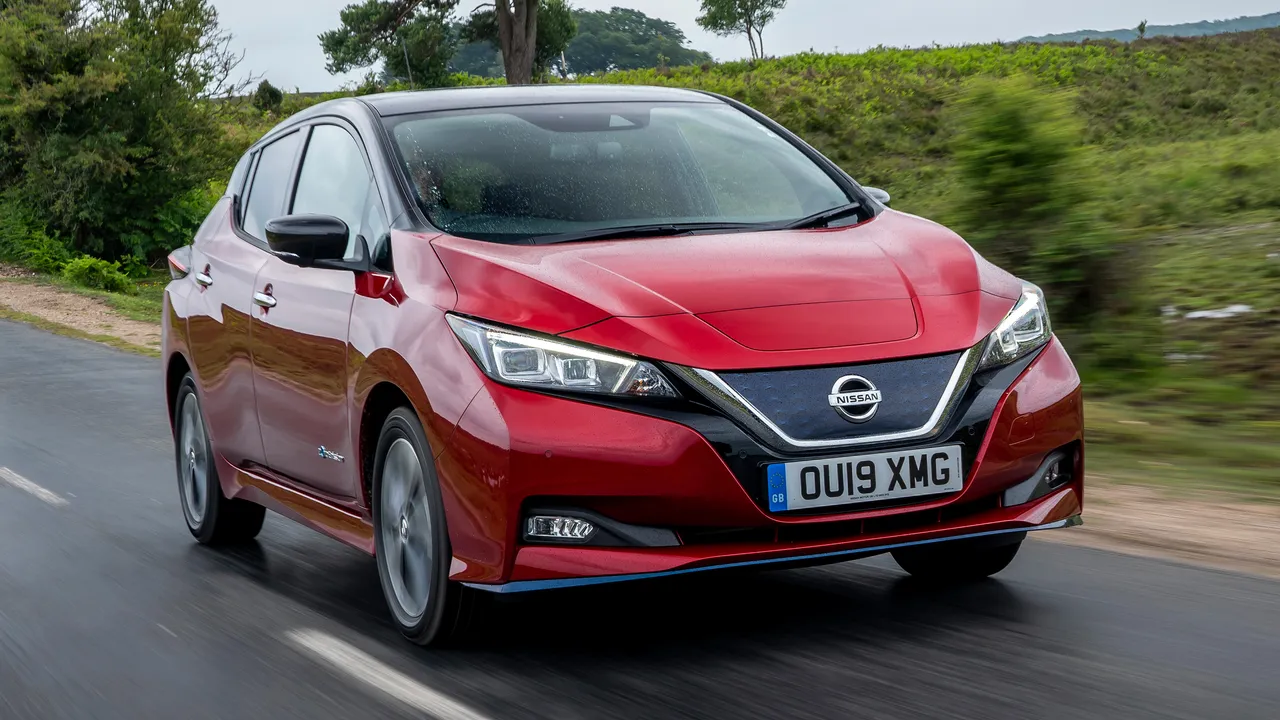
The Nissan Leaf has long been a symbol of accessible electric mobility. As the automotive industry pivots towards electrification, the 2025 Nissan Leaf stands as a testament to Nissan’s commitment to affordable EVs, even as the landscape evolves.
Pricing Overview
For 2025, the Nissan Leaf maintains its pricing structure from the previous year. The base model, Leaf S, is priced at $28,140, while the Leaf SV Plus is available at $36,190. These prices include a destination charge of $1,140. Notably, the 2025 model year does not qualify for the federal EV tax credit, a distinction that sets it apart from the 2024 models, which were eligible for up to $3,750 in incentives if purchased before January 1, 2025 .
Battery and Range Specifications
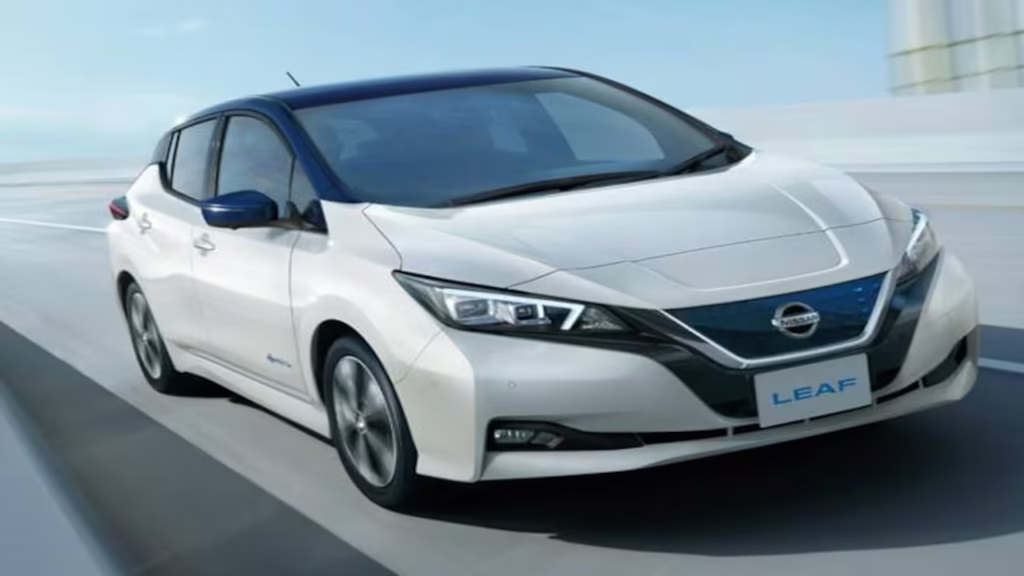
The 2025 Leaf continues to offer two battery options. The Leaf S is equipped with a 40-kWh battery, providing an EPA-estimated range of up to 149 miles. The Leaf SV Plus features a 60-kWh battery, extending the range to approximately 212 miles. Both models are front-wheel drive and utilize a 6.6-kW onboard charger, suitable for overnight home charging .
Safety and Technology Features
Safety remains a priority in the 2025 Leaf. Standard across all trims is the Nissan Safety Shield 360, encompassing automatic emergency braking, blind-spot monitoring, lane departure warning, and rear cross-traffic alert. The SV Plus trim further enhances the driving experience with ProPILOT Assist, offering semi-autonomous driving capabilities, and the Intelligent Around View Monitor, which aids in parking and maneuvering .
Charging Infrastructure
The Leaf supports both home and public charging solutions. With a DC fast charger, the 40-kWh battery can be charged up to 80% in approximately 40 minutes, while the 60-kWh battery takes about 60 minutes. For daily commuting, the onboard charger ensures convenient overnight charging .
Market Position and Future Outlook
Despite the absence of federal tax incentives for the 2025 model year, the Nissan Leaf remains one of the most affordable new electric vehicles on the market. However, with advancements in EV technology and increasing competition, prospective buyers may find more options that offer longer ranges and enhanced features. Nissan is anticipated to introduce a next-generation Leaf in 2026, which is expected to feature significant design and performance upgrades, including a crossover-style body and improved range capabilities .
Conclusion
The 2025 Nissan Leaf continues to serve as an entry point into the world of electric vehicles, offering affordability and essential features. While it may not boast the latest advancements, it remains a practical choice for those seeking a reliable and cost-effective EV. As the industry progresses, the forthcoming next-generation Leaf promises to bring more innovations to the forefront, catering to the evolving needs of electric vehicle enthusiasts.